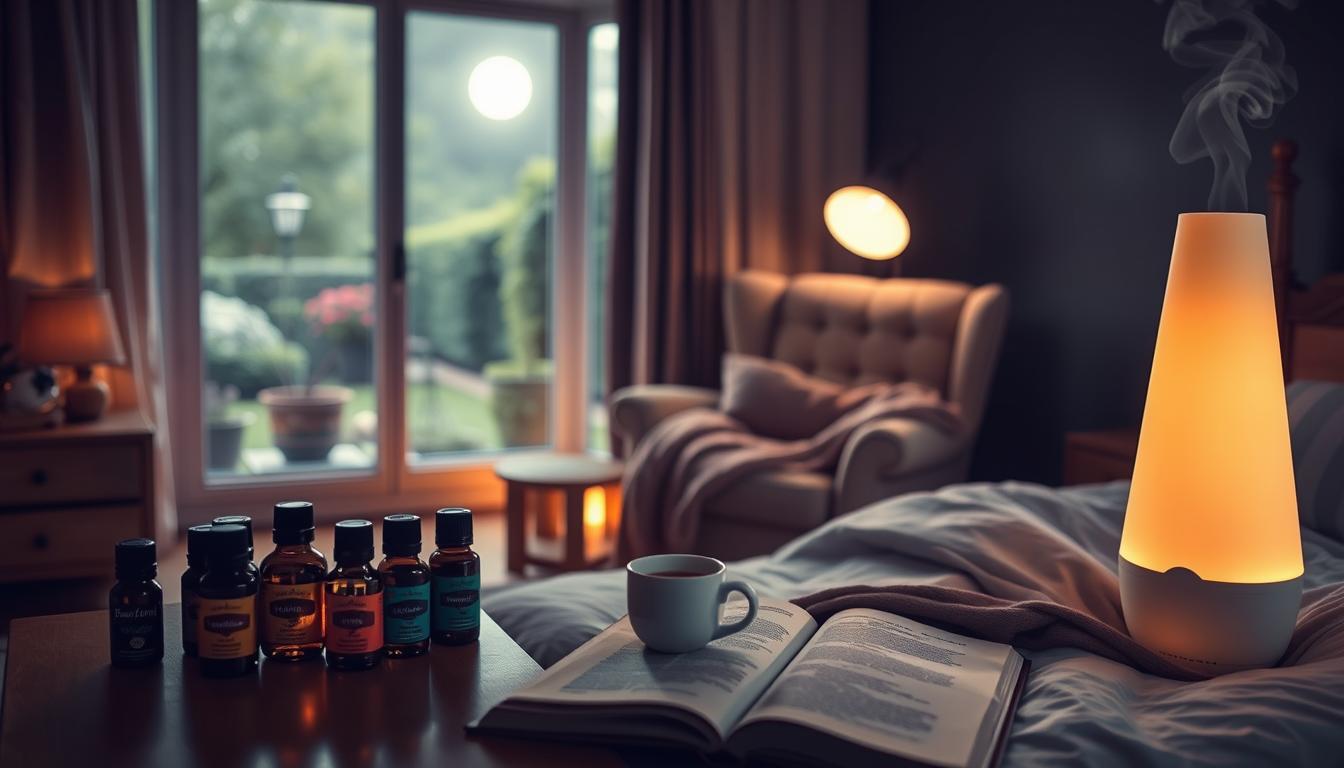
Are you tired of lying awake at night, struggling to fall asleep or stay asleep? You’re not alone. Millions of people worldwide face sleep challenges every night, affecting their overall well-being and quality of life.
Aromatherapy has emerged as a natural and effective sleep solution. By harnessing the power of essential oils, individuals can create a relaxing sleep environment that promotes deep and restorative sleep.
This article will explore the benefits of using aromatherapy to improve sleep quality, providing insights into the most effective essential oils and practical tips for incorporating them into your nightly routine.
Key Takeaways
- Discover how aromatherapy can improve sleep quality
- Learn about the most effective essential oils for sleep
- Understand how to create a relaxing sleep environment
- Find practical tips for incorporating aromatherapy into your nightly routine
- Explore the benefits of using aromatherapy as a natural sleep solution
Understanding the Connection Between Aromatherapy and Sleep
Aromatherapy, the use of essential oils for therapeutic benefits, has been found to have a positive impact on sleep patterns. By understanding how aromatherapy works and its historical use in enhancing sleep, individuals can better appreciate its potential benefits.
What Is Aromatherapy and How It Works
Aromatherapy involves the inhalation of essential oils derived from plants to promote physical and emotional well-being. These oils can be inhaled directly or used in conjunction with massage, baths, or other applications. The benefits of aromatherapy include reduced stress and anxiety, improved mood, and enhanced sleep quality. Essential oils such as lavender and chamomile are particularly noted for their calming effects.
The Historical Use of Scents for Sleep Enhancement
The use of scents for sleep enhancement dates back centuries, with ancient civilizations such as the Egyptians and Greeks utilizing aromatic plants for their therapeutic properties. The historical context of aromatherapy highlights its long-standing role in promoting relaxation and improving sleep. A table summarizing the historical use of aromatherapy for sleep is provided below.
| Civilization | Method of Use | Purpose |
|---|---|---|
| Egyptians | Aromatic herbs in rituals | Promote relaxation and sleep |
| Greeks | Essential oils in baths | Reduce stress and improve sleep |
| Romans | Aromatic massages | Relax muscles and promote restful sleep |
By exploring the historical context and the mechanisms behind aromatherapy, it becomes clear how this practice can be a valuable tool for improving sleep quality.
The Science Behind Aromatherapy for Better Sleep
The science behind aromatherapy reveals a complex relationship between scents, brain activity, and sleep quality. Aromatherapy’s effectiveness in enhancing sleep is not just anecdotal; it’s backed by a growing body of research that explores how different scents interact with our neurological system.
How Scents Affect the Brain and Nervous System
When we inhale essential oils, the molecules travel up our nostrils and bind to olfactory receptors in the nasal cavity. This interaction sends signals to the brain’s limbic system, which is involved in emotion, motivation, and memory. The limbic system’s response to different scents can influence our mood, stress levels, and ultimately, our ability to fall asleep and stay asleep.
The Olfactory System and Sleep Hormones
The olfactory system’s connection to the brain’s limbic system plays a crucial role in regulating sleep hormones like melatonin. Certain scents can stimulate the production of melatonin, promoting relaxation and sleepiness. Research has shown that inhaling specific essential oils can increase melatonin levels, thereby improving sleep quality.
Research and Studies on Aromatherapy’s Sleep Benefits
Numerous studies have investigated the impact of aromatherapy on sleep. A study published in the Journal of Alternative and Complementary Medicine found that lavender oil aromatherapy improved sleep quality in patients with insomnia. Such research supports the use of aromatherapy as a complementary therapy for sleep disorders.
Addressing Sleep Disorders with Aromatherapy
Aromatherapy can be a valuable tool in managing sleep disorders. By promoting relaxation and reducing stress, certain essential oils can help alleviate symptoms of insomnia and other sleep-related issues.
“Aromatherapy offers a natural, non-invasive approach to improving sleep quality, making it an attractive option for those seeking alternative sleep solutions.”
As research continues to uncover the benefits and mechanisms of aromatherapy, its role in sleep health is likely to become increasingly recognized.
Essential Oils That Promote Better Sleep
When it comes to improving sleep quality, certain essential oils have gained significant attention for their potential benefits. Aromatherapy, which involves the use of these oils, has been practiced for centuries to promote relaxation and reduce stress.
Lavender: The Ultimate Sleep Aid
Lavender oil is renowned for its calming effects and is often considered the go-to essential oil for sleep issues. Studies have shown that inhaling lavender oil can reduce anxiety and improve sleep quality. Its soothing scent helps to calm the mind and body, making it easier to fall asleep.
Chamomile: Nature’s Tranquilizer
Chamomile oil, with its gentle, apple-like fragrance, is another popular choice for promoting relaxation and sleep. It has been used for centuries as a natural remedy for insomnia and anxiety. The oil’s soothing properties help to calm the nervous system, preparing the body for a restful night’s sleep.
Bergamot: Anxiety-Reducing Properties
Bergamot oil, extracted from the rind of bergamot oranges, is known for its anxiety-reducing properties. Its citrus scent is uplifting yet calming, making it an excellent choice for reducing stress and promoting a good night’s sleep. By lowering anxiety levels, bergamot oil can help improve overall sleep quality.
Other Effective Oils: Valerian, Ylang Ylang, and Sandalwood
Other essential oils that are effective in promoting better sleep include valerian, ylang-ylang, and sandalwood. Valerian oil is known for its sedative effects, while ylang-ylang oil has a calming influence on the emotional state. Sandalwood oil, with its woody scent, promotes relaxation and helps to quiet the mind.
Blending Oils for Enhanced Sleep Benefits
Blending different essential oils can enhance their sleep-promoting effects. For example, combining lavender and chamomile oils can create a potent sleep aid. Experimenting with different blends can help individuals find the most effective combination for their sleep needs.
Aromatherapy for Better Sleep: Step-by-Step Methods
Aromatherapy offers a range of techniques to promote better sleep, from using diffusers to creating relaxing baths. By understanding and applying these methods, you can enhance your sleep quality and wake up feeling refreshed.
Diffusers: Types and Best Practices
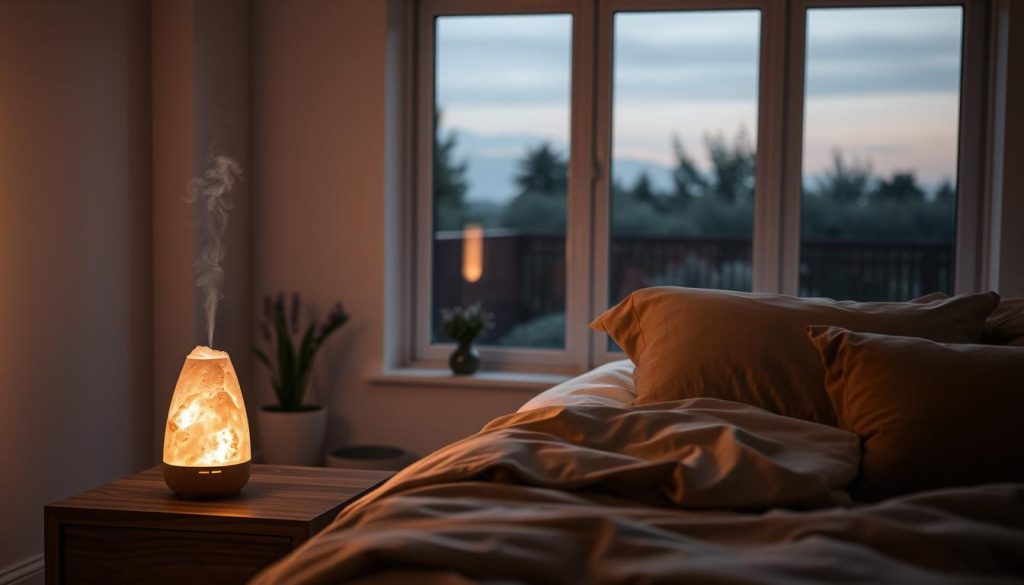
Diffusers are a popular way to enjoy the benefits of aromatherapy. There are several types, including ultrasonic, nebulizing, and heat-based diffusers. When choosing a diffuser, consider the size of your space and the noise level of the device.
Setting Up Your Diffuser for Optimal Results
To get the most out of your diffuser, place it in your bedroom, away from direct sunlight and moisture. Use the recommended amount of essential oil, typically between 5-10 drops, and adjust according to your preference.
Pillow Sprays and Linen Mists
Pillow sprays and linen mists are another effective way to incorporate aromatherapy into your sleep routine. These products can be made at home using essential oils and water or purchased pre-made. Spraying your pillow and linens with a calming blend can promote relaxation and improve sleep quality.
Aromatherapy Baths and Showers
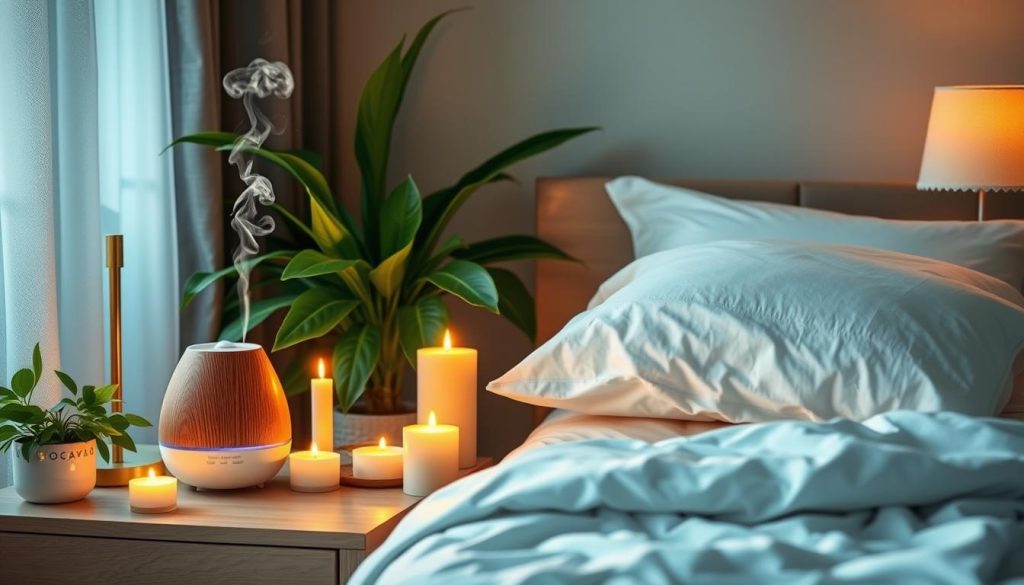
Soaking in a warm bath or taking a relaxing shower can be a great way to unwind before bed. Adding essential oils like lavender or chamomile to your bath water or using them in a shower gel can enhance the relaxing experience.
Topical Applications: Massage Oils and Balms
Topical applications of aromatherapy involve applying essential oils directly to the skin, often through massage oils or balms. This method can be particularly effective when combined with a relaxing massage technique, helping to calm the mind and body before sleep.
By incorporating these step-by-step methods into your bedtime routine, you can harness the power of aromatherapy to improve your sleep quality and overall well-being.
Creating an Effective Bedtime Routine with Aromatherapy
Establishing a consistent bedtime routine is crucial for improving sleep quality, and aromatherapy can play a significant role in this process. A well-crafted bedtime routine helps signal to the body that it’s time to sleep, and aromatherapy can enhance this signal by creating a relaxing atmosphere.
Timing Your Aromatherapy Practice
The timing of your aromatherapy practice is crucial. It’s recommended to start your aromatherapy routine about 30 minutes to 1 hour before bedtime to allow the body to fully relax. This can involve using a diffuser or applying topical aromatherapy products.
DIY Aromatherapy Blends for Sleep
Creating your own DIY aromatherapy blends can be a fun and effective way to promote better sleep. A simple blend can be made by combining lavender, chamomile, and bergamot essential oils. Experiment with different ratios to find what works best for you.
Combining Aromatherapy with Other Sleep Hygiene Practices
Aromatherapy is most effective when combined with other sleep hygiene practices. This includes maintaining a consistent sleep schedule, creating a dark and quiet sleep environment, and avoiding screens before bedtime. By combining these practices, you can significantly improve your sleep quality.
“A consistent sleep schedule and a relaxing bedtime routine are key to improving sleep quality.”
Safety Considerations and Precautions
While aromatherapy is generally safe, there are some precautions to take. Always dilute essential oils with a carrier oil for topical applications, and consult with a healthcare professional if you have sensitive skin or allergies.
Special Considerations for Children and Pets
When using aromatherapy around children and pets, it’s essential to take extra precautions. Some essential oils can be toxic to pets, and children’s skin can be more sensitive to essential oils. Always consult with a healthcare professional before using aromatherapy on children or around pets.
| Safety Tips | Description |
|---|---|
| Dilute Essential Oils | Always dilute essential oils with a carrier oil for topical applications. |
| Consult a Professional | Consult with a healthcare professional if you have sensitive skin or allergies. |
| Keep Out of Reach | Keep essential oils out of reach of children and pets. |
Conclusion: Embracing Aromatherapy for Restful Nights
As we’ve explored throughout this article, aromatherapy offers a natural and effective way to improve sleep quality. By understanding the connection between aromatherapy and sleep, and incorporating essential oils into your bedtime routine, you can experience the numerous benefits of aromatherapy for sleep and relaxation.
From lavender to chamomile, and bergamot to sandalwood, various essential oils have been shown to promote relaxation and reduce stress, making it easier to fall asleep and stay asleep. By using diffusers, pillow sprays, or topical applications, you can create a sleep-conducive environment that fosters restful nights.
By embracing aromatherapy, you can take the first step towards a more restful and rejuvenating sleep experience. So why not give it a try? Start exploring the world of aromatherapy and discover the benefits it can bring to your sleep and overall well-being.
FAQ
What is the best essential oil for sleep?
Lavender oil is often considered the best essential oil for sleep due to its calming and relaxing properties, which can help reduce stress and anxiety, making it easier to fall asleep.
How do I use aromatherapy for sleep?
You can use aromatherapy for sleep by incorporating essential oils into your bedtime routine through methods such as using a diffuser, applying topical massage oils, or adding a few drops to your pillow or bath water.
Can aromatherapy help with insomnia?
Yes, aromatherapy can help with insomnia by promoting relaxation and reducing anxiety, which are common underlying causes of insomnia. Certain essential oils like lavender and chamomile have been shown to improve sleep quality.
Are there any safety precautions I should take when using aromatherapy for sleep?
Yes, when using aromatherapy for sleep, it’s essential to use high-quality, pure essential oils, dilute them properly before applying topically, and consult with a healthcare professional if you have sensitive skin or allergies. Additionally, keep essential oils away from children and pets.
Can I blend different essential oils for better sleep?
Yes, blending different essential oils can be an effective way to promote better sleep. Combining oils like lavender, chamomile, and bergamot can create a synergistic effect that enhances their individual sleep-promoting properties.
How long does it take for aromatherapy to start working for sleep?
The time it takes for aromatherapy to start working for sleep can vary depending on the individual and the method of use. Some people may experience immediate relaxation and improved sleep, while others may need to use aromatherapy consistently for a few nights to notice a significant difference.
Can I use aromatherapy in conjunction with other sleep aids?
Yes, you can use aromatherapy in conjunction with other sleep aids, such as melatonin or a white noise machine, to enhance their effectiveness. However, it’s crucial to consult with a healthcare professional before combining different sleep aids to ensure safe and effective use.