Are you tired of feeling stressed and overwhelmed? Do you struggle to unwind after a long day? Calming essential oils may be the solution you’ve been searching for.
Using essential oils for relaxation has become increasingly popular as people seek natural ways to manage stress and promote well-being. Certain oils have a profound impact on both mind and body, helping to calm the senses and soothe the spirit.
Key Takeaways
- Discover the most effective essential oils for promoting relaxation.
- Learn how to use essential oils for stress relief.
- Explore the benefits of incorporating essential oils into your daily routine.
- Understand the science behind how essential oils impact the mind and body.
- Find out how to create a calming atmosphere with essential oils.
Understanding the Power of Essential Oils for Relaxation
In the quest for relaxation and stress relief, essential oils have emerged as a popular and natural solution. These oils, derived from plants, have been used for centuries in various cultures for their therapeutic properties.
What Are Essential Oils?
Essential oils are highly concentrated extracts obtained from different parts of plants, including flowers, leaves, and roots. They are known for their potent aroma and therapeutic benefits. The process of extracting these oils involves methods like steam distillation or cold pressing, ensuring the capture of the plant’s essence.
The Science Behind Aromatherapy and Stress Relief
Aromatherapy, the practice of using essential oils for therapeutic purposes, is grounded in the science of how scents affect the brain. When inhaled, the molecules of essential oils interact with the olfactory system, influencing emotional responses and mood.
How Essential Oils Affect Your Nervous System
Essential oils can impact the nervous system by promoting relaxation or invigoration, depending on their composition. For instance, lavender oil is known for its calming effects, while peppermint oil can be invigorating.
| Essential Oil | Effect on Nervous System |
|---|---|
| Lavender | Calming, reduces anxiety |
| Peppermint | Invigorating, improves focus |
| Frankincense | Relaxing, reduces stress |
The Best Essential Oils for Relaxation and Stress Relief
The world of aromatherapy offers numerous essential oils that are known to promote relaxation and reduce stress. These oils can be used in various ways to enhance their benefits, from diffusion to topical application.
Lavender: The Ultimate Relaxation Oil
Lavender oil is renowned for its calming properties. It helps to soothe the mind and body, making it an ideal choice for promoting a good night’s sleep. Its relaxing effects can also help alleviate anxiety and stress.
Chamomile: Nature’s Tranquilizer
Chamomile oil is another popular choice for relaxation. It has a soothing effect on the nervous system, helping to calm the mind and reduce feelings of anxiety. Its gentle nature makes it suitable for use during meditation or before bedtime.
Bergamot: The Mood-Lifting Citrus
Bergamot oil, with its citrusy scent, is known for its uplifting properties. It can help reduce anxiety and stress by promoting a positive mood. Its refreshing aroma can also help improve focus and concentration.
| Essential Oil | Primary Benefit | Recommended Use |
|---|---|---|
| Lavender | Promotes relaxation and sleep | Diffusion, topical application |
| Chamomile | Soothes anxiety and stress | Meditation, bedtime routine |
| Bergamot | Uplifts mood and reduces anxiety | Diffusion, aromatherapy blends |
Ylang Ylang: For Deep Relaxation
Ylang Ylang oil is known for its sweet, floral scent and is often used to promote feelings of love and relaxation. It can help reduce stress and anxiety, promoting a sense of calm and well-being.
Frankincense: The Ancient Calming Oil
Frankincense oil has been used for centuries for its calming and anti-inflammatory properties. It can help reduce stress and promote relaxation, making it a popular choice for meditation practices.
Clary Sage: The Tension Reliever
Clary Sage oil is known for its ability to relieve tension and promote relaxation. It can help reduce stress and anxiety, promoting a sense of calm and well-being.
Essential Oils for Specific Stress-Related Concerns
Stress can manifest in various forms, and essential oils offer a natural solution to specific concerns. Whether you’re dealing with anxiety, sleep disturbances, mental fogginess, or emotional turmoil, there’s an essential oil that can help.
Oils for Anxiety Relief
For anxiety relief, consider using lavender or bergamot essential oils. Lavender oil is known for its calming properties, while bergamot oil can help reduce anxiety by promoting a sense of calm and relaxation.
Oils for Better Sleep and Insomnia
To improve sleep quality, chamomile and ylang-ylang essential oils are highly recommended. Chamomile oil can soothe the mind and body, making it easier to fall asleep, while ylang-ylang oil promotes deep relaxation.
Oils for Mental Clarity and Focus
For mental clarity and focus, peppermint and rosemary essential oils are effective choices. Peppermint oil can invigorate the mind, while rosemary oil is known to improve cognitive function and memory.
Oils for Emotional Balance
To achieve emotional balance, consider using frankincense and clary sage essential oils. Frankincense oil can promote a sense of calm and well-being, while clary sage oil is known for its ability to stabilize emotions.
By incorporating these essential oils into your daily routine, you can better manage stress and improve your overall well-being.
How to Use Essential Oils Effectively
To get the most out of essential oils for anxiety relief and relaxation, it’s crucial to understand the various methods of application. Essential oils can be used in multiple ways, each offering unique benefits for relaxation and stress relief.
Aromatherapy Diffusion Methods
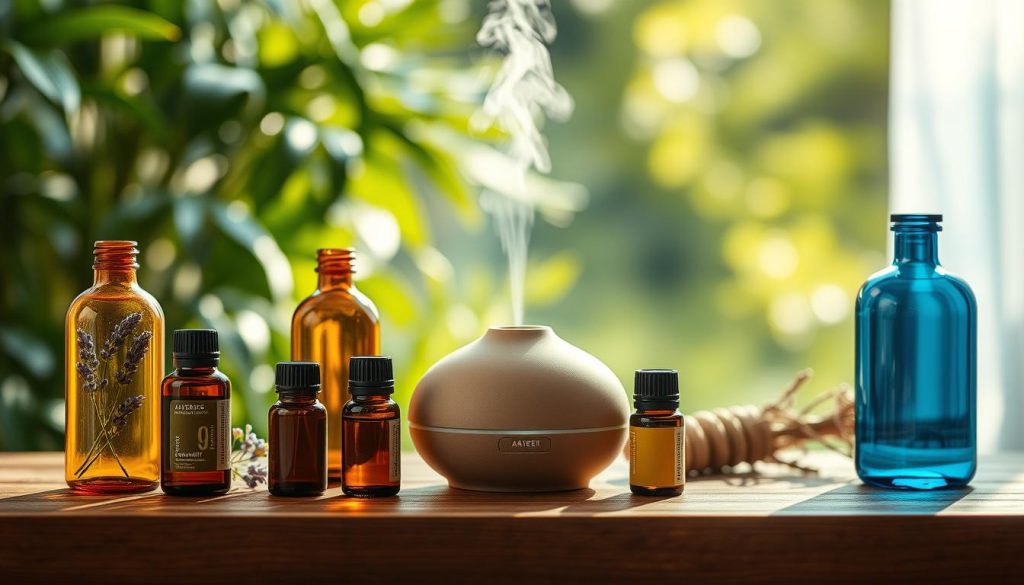
Aromatherapy diffusion is a popular method for enjoying the benefits of essential oils. There are several ways to diffuse essential oils:
- Electric Diffusers: These devices release a fine mist into the air, filling your space with the fragrance and benefits of essential oils.
- Reed Diffusers: A simple, passive way to diffuse essential oils using reeds to absorb and release the fragrance.
- Inhalation Techniques: Direct inhalation from the bottle or using a handkerchief can provide immediate benefits.
Topical Application Techniques
When applying essential oils topically, it’s essential to follow proper guidelines:
- Proper Dilution Guidelines: Always dilute essential oils with a carrier oil to avoid skin irritation.
- Best Carrier Oils for Relaxation Blends: Coconut, jojoba, and sweet almond oil are popular choices for relaxation blends.
Creating a Relaxing Bath Experience
Adding essential oils to your bath can enhance relaxation. Mix a few drops of your chosen essential oil with a carrier oil or bath salts before adding it to your bathwater for a calming experience.
DIY Essential Oil Blends for Ultimate Relaxation
Creating your own essential oil blends can be a fun and rewarding experience, allowing you to tailor the scents to your specific relaxation needs. By combining different essential oils, you can create unique blends that promote relaxation and reduce stress.
Calming Diffuser Blends
Diffuser blends are an excellent way to create a relaxing atmosphere. Try combining lavender and bergamot essential oils for a calming and uplifting blend.
Stress-Relief Massage Oil Recipes
Massage oils can be used for topical application, providing a soothing and relaxing experience. Mix ylang-ylang and clary sage essential oils with a carrier oil for a stress-relieving massage blend.
Relaxing Room and Linen Sprays
Room and linen sprays can help create a peaceful environment. Combine frankincense and chamomile essential oils with water and a bit of vodka as a preservative for a calming spray.
Personal Aromatherapy Inhaler Blends
Personal inhalers are a convenient way to enjoy the benefits of essential oils on-the-go. Create a blend using peppermint and eucalyptus essential oils for a refreshing and invigorating inhaler.
| Blend Type | Essential Oils | Benefits |
|---|---|---|
| Calming Diffuser | Lavender, Bergamot | Relaxing, Uplifting |
| Stress-Relief Massage | Ylang-Ylang, Clary Sage | Soothing, Stress-Relieving |
| Relaxing Room Spray | Frankincense, Chamomile | Calming, Peaceful |
Safety Considerations When Using Essential Oils
The use of essential oils for relaxation can be highly effective, but it’s essential to consider the safety aspects to avoid any adverse reactions. While these natural oils can promote well-being, their potency requires careful handling and usage.
Potential Side Effects and Precautions
Some individuals may experience skin irritation or allergic reactions when using certain natural essential oils for relaxation. It’s recommended to perform a patch test before applying any new oil topically. Additionally, some oils can cause photosensitivity, so it’s crucial to avoid sun exposure after application.
Essential Oils to Avoid During Pregnancy or with Certain Conditions
Certain essential oils, such as clary sage and pennyroyal, should be avoided during pregnancy due to their potential to stimulate uterine contractions. Individuals with epilepsy or high blood pressure should also exercise caution and consult with a healthcare professional before using essential oils.
Quality Matters: Choosing Pure Therapeutic Essential Oils
To ensure safety and efficacy, it’s vital to choose therapeutic essential oils for relaxation from reputable sources. Look for oils that are labeled as 100% pure and have undergone third-party testing. This guarantees that the oils are free from contaminants and adulterants.
Proper Storage for Maximum Potency
Essential oils should be stored in dark glass bottles, away from direct sunlight and heat sources. This helps preserve their potency and extends their shelf life. Always keep the bottles tightly sealed to prevent oxidation.
By being mindful of these safety considerations, you can enjoy the benefits of essential oils while minimizing potential risks.
| Essential Oil | Precaution |
|---|---|
| Clary Sage | Avoid during pregnancy |
| Bergamot | May cause photosensitivity |
| Peppermint | Can cause skin irritation in high concentrations |
Incorporating Essential Oils into Your Daily Wellness Routine
Incorporating essential oils into your daily routine can significantly enhance your overall wellness and quality of life. By using the right essential oils at the right time, you can improve your mental clarity, reduce stress, and promote relaxation.
Morning Rituals for Energy and Focus
Starting your day with a refreshing essential oil ritual can boost your energy and mental clarity. Consider using invigorating oils like peppermint or eucalyptus in a morning diffuser blend to help you wake up and feel more alert.
Midday Stress-Relief Practices
For a midday pick-me-up, try using a personal inhaler with a blend of top calming essential oils such as lavender and chamomile. This can help reduce stress and improve your focus during the rest of the day.
Evening Wind-Down Routines
In the evening, a calming essential oil bath or a relaxing room spray with ylang-ylang or frankincense can help signal to your body that it’s time to wind down and prepare for a restful night’s sleep.
Creating a Personalized Aromatherapy Plan
To get the most out of essential oils, create a personalized aromatherapy plan. Identify your specific needs, whether it’s stress relief, improved sleep, or increased energy, and choose the essential oils that best meet those needs.
| Time of Day | Recommended Essential Oil | Benefit |
|---|---|---|
| Morning | Peppermint, Eucalyptus | Energy and Focus |
| Midday | Lavender, Chamomile | Stress Relief and Calmness |
| Evening | Ylang-Ylang, Frankincense | Relaxation and Better Sleep |
Conclusion: Embracing the Natural Power of Essential Oils
By incorporating essential oils into your daily routine, you can effectively manage stress and anxiety. Essential oils like lavender and chamomile have a calming effect on the mind and body, promoting relaxation and reducing anxiety. Using essential oils for anxiety relief can be a natural and effective way to improve your overall well-being.
As you’ve learned, different essential oils can be used in various ways, from aromatherapy diffusion to topical application. By choosing the right essential oils and using them correctly, you can create a personalized aromatherapy plan that suits your needs. Start exploring the world of essential oils today and discover the benefits they can bring to your life.
FAQ
What are the best essential oils for relaxation and stress relief?
Some of the top essential oils for relaxation and stress relief include lavender, chamomile, bergamot, ylang ylang, and frankincense. These oils have been shown to promote calmness, reduce anxiety, and improve sleep quality.
How do I use essential oils for anxiety relief?
You can use essential oils for anxiety relief by diffusing them in the air, applying them topically to the skin (diluted with a carrier oil), or inhaling them directly from a cloth or handkerchief. Some of the best essential oils for anxiety relief include lavender, chamomile, and bergamot.
Can essential oils help with sleep and insomnia?
Yes, certain essential oils such as lavender, vetiver, and chamomile can help promote relaxation and improve sleep quality. You can diffuse these oils in your bedroom or apply them topically to your skin before bedtime.
Are there any essential oils that can help with emotional balance?
Yes, essential oils such as ylang ylang, geranium, and clary sage can help promote emotional balance and reduce stress. These oils can be used in a diffuser or applied topically to the skin.
What are the safety precautions when using essential oils?
When using essential oils, it’s essential to dilute them with a carrier oil, avoid applying them to sensitive areas, and keep them out of reach of children and pets. You should also be aware of any potential allergies or sensitivities and consult with a healthcare professional if you have any concerns.
How do I choose high-quality, therapeutic essential oils?
To choose high-quality, therapeutic essential oils, look for oils that are labeled as “therapeutic grade” or “100% pure.” Research the manufacturer and check for third-party certifications such as GC/MS testing. You should also be wary of very cheap oils, as they may be adulterated or of poor quality.
Can I use essential oils during pregnancy or while breastfeeding?
Some essential oils are safe to use during pregnancy or while breastfeeding, but others may not be. It’s crucial to consult with a healthcare professional before using essential oils during this time, as some oils can stimulate the uterus or affect milk production.
How do I store essential oils to maintain their potency?
To maintain the potency of essential oils, store them in a cool, dark place, away from direct sunlight and heat. Keep the bottles tightly closed and away from children and pets.